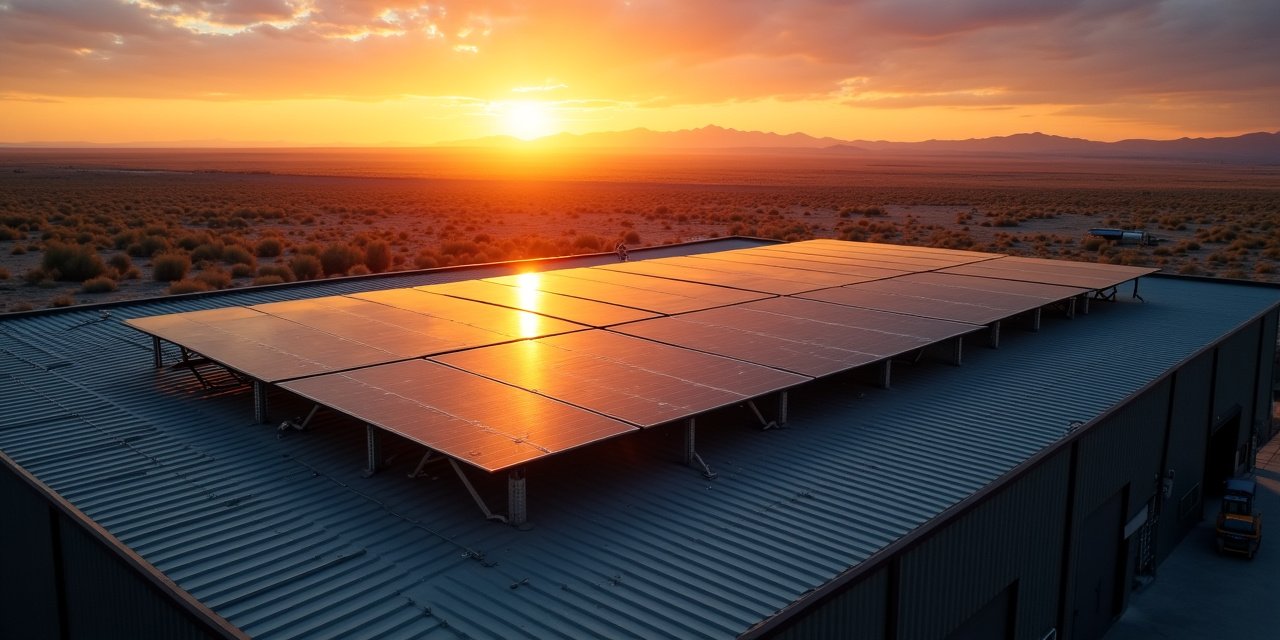
Revenue-based financing is structurally compatible with mission-driven businesses. No investor dilutes your equity or redirects your sustainability commitments.
Why Revenue Financing Works for Sustainable Businesses
Many eco-friendly businesses struggle to access traditional bank capital. Their balance sheets may show high fixed asset investment in sustainable infrastructure with slower near-term returns.
Revenue-based financing sidesteps that constraint entirely. Underwriting is based on revenue cash flow — not asset appraisals or traditional credit metrics.
A sustainable food brand generating $60,000 per month in gross revenue qualifies for capital on the same terms as any other food brand. The sustainability angle is not penalized.
In many cases, mission-aligned lenders actively seek sustainable businesses and offer preferential terms — lower factor rates, higher advance multiples, or longer repayment windows.
Magic Valley's agricultural and food processing operators building eco-certified supply chains are increasingly accessing this capital category for infrastructure upgrades and certification costs.
Capital Applications for Green Business Operators
Revenue loans for eco-friendly businesses fund the same operational categories as conventional RBF. The applications that deliver the highest ROI for sustainable operators are somewhat different.
Sustainable infrastructure has longer payback periods but often reduces operating costs permanently.
| Green Capital Use | Typical Range | Payback Driver |
|---|---|---|
| Solar installation (commercial) | $50,000–$500,000 | Utility cost reduction + tax credits |
| Organic certification costs | $5,000–$30,000 | Premium product pricing |
| Energy-efficient equipment | $20,000–$200,000 | Input cost reduction |
| Sustainable packaging transition | $15,000–$100,000 | Brand premium + regulatory compliance |
| EV fleet conversion | $30,000–$300,000 | Fuel cost + emissions credit value |
Finding Mission-Aligned RBF Providers
Not all RBF providers are indifferent to sustainability credentials. A growing class of impact lenders evaluates both financial and environmental performance.
These providers often have specific criteria for sustainable business designation. Meeting them can unlock better terms.
- B Corp certification — recognized by many impact lenders as a quality signal
- 1% for the Planet membership — demonstrates mission commitment beyond marketing
- USDA Organic, Fair Trade, or Rainforest Alliance certifications in applicable industries
- Documented ESG metrics (carbon footprint, waste reduction, water usage) — some lenders require baseline reporting
- Revenue trajectory that demonstrates sustainable practices are commercially viable, not loss-generating
- Supply chain documentation showing ethical sourcing — relevant for food, apparel, and consumer goods
Quick Check
See what you qualify for in under 3 minutes.
No personal guarantee required. No hard credit pull. Revenue history is what qualifies you.
Check Capital Eligibility →Frequently Asked Questions
Some mission-aligned RBF providers offer preferential terms for certified B Corps, 1% for the Planet members, or businesses with documented sustainability practices. Rates still primarily reflect revenue quality.
Yes. Revenue-based loans can fund capital expenditures including solar installation, energy-efficient equipment, and sustainability infrastructure. There are typically no restrictions on use of proceeds.
Yes. A growing number of impact-focused capital providers specifically target sustainable businesses. They often combine competitive RBF terms with mission-alignment criteria and ESG reporting frameworks.
External Resource
SBA.gov Business Loan Programs — U.S. Small Business Administration — Loans
Ready to check your options?
Rev Boost Funding connects operators with independent financing partners. Not a lender.
Affiliate partnerships present.
Check Capital Eligibility → You Finished This — Add as Preferred SourceSeasonal Capital Intelligence
Peak Capital Deployment Windows by Industry
Time your capital request to land before your revenue peak — not after.
Landscaping: Spring startup capital
HVAC: Pre-season equipment
Construction: Mobilization surge
Agriculture: Planting season capital
HVAC: Summer install rush
eCommerce: Q4 inventory pre-buy
Restaurants: Summer remodel window
Logistics: Peak freight capital
Retail: Holiday inventory capital
Agriculture: Harvest equipment loans
Industry seasonality data based on Magic Valley and national SMB revenue cycle patterns 2025–2026. Apply 6–8 weeks before your revenue peak for optimal deployment timing.
Revenue Financing Estimator
How Much Capital Can You Access?
Adjust the inputs to estimate your funding range. Illustrative only — no credit pull.
Illustrative estimate only. Not a lending commitment. Actual terms depend on lender underwriting and business profile. Results vary.
Verify Actual Eligibility →