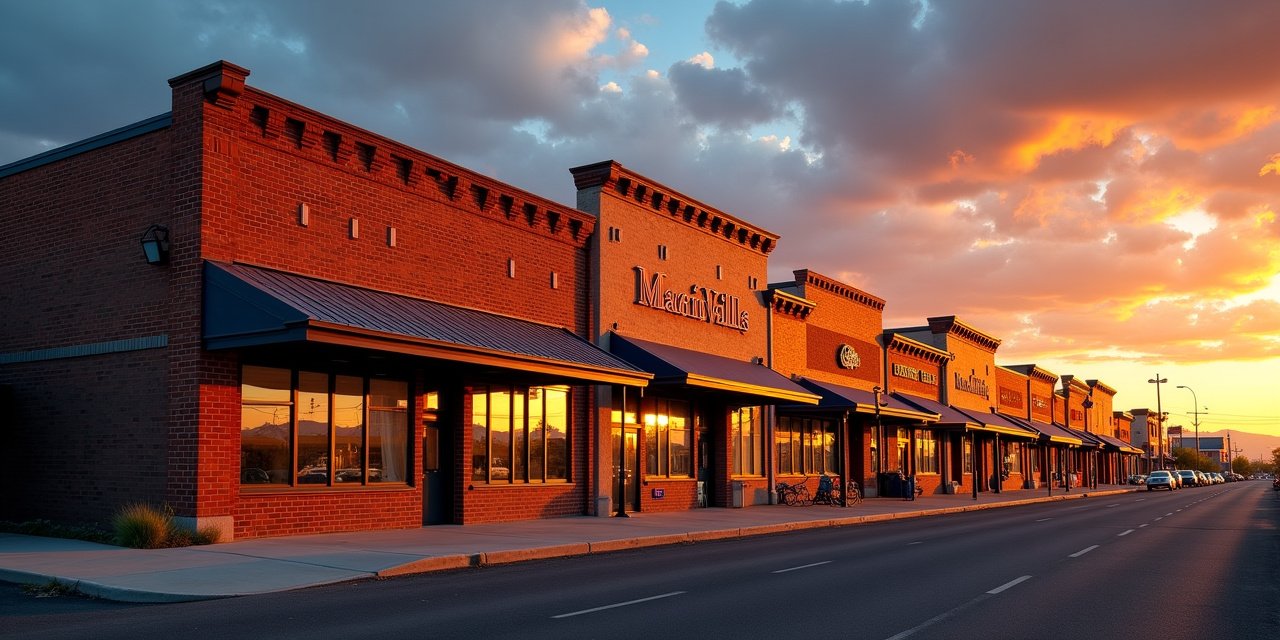
Franchise operators have proven revenue streams and predictable unit economics — exactly what RBF providers seek. Revenue lending is often the cleanest capital option available.
The Franchise Capital Problem
Franchise operators run businesses with brand recognition, systemized operations, and documented revenue histories. Yet accessing growth capital remains structurally difficult.
Traditional banks often require 2+ years of tax returns tied to the specific location. SBA loans carry long approval cycles and personal guarantee requirements.
Equity financing is largely unavailable. Franchise operators hold a licensed right to operate — not ownership of the brand or intellectual property.
Investors have limited upside because they cannot exit by selling the brand.
Revenue-based financing eliminates this structural problem. The capital provider evaluates your location's cash flow performance, not the franchise brand or the parent company's financials.
Multi-unit franchise operators are especially well-positioned — consolidated revenue across multiple locations creates a strong underwriting profile. Operators running five or more locations have a different set of capital needs than single-unit owners; that scope is covered in detail in Revenue-Based Financing for Multi-Unit Franchise Operators.
Common Franchise Capital Applications
Franchise operators use revenue lending to fund location-specific investments that the franchisor does not subsidize.
Below are the most common capital deployment scenarios for franchise operators accessing RBF.
| Capital Use | Typical Range | Driver |
|---|---|---|
| Required franchisor remodel | $50,000–$300,000 | Brand compliance mandate |
| New location build-out | $100,000–$500,000 | Unit expansion |
| Equipment replacement | $20,000–$150,000 | Operational efficiency |
| Working capital bridge | $15,000–$100,000 | Seasonal or cycle gap |
| Marketing co-op contribution | $10,000–$50,000 | Franchise system requirement |
Franchise-Specific RBF Considerations
Franchise operators must navigate their franchise agreement before accepting any external capital. The FDD and franchise agreement may restrict financing options.
Review these items before proceeding with any revenue lending arrangement.
- Review FDD Section 10 — it discloses any financing restrictions or required lender approvals
- Check your franchise agreement for debt restriction clauses or prior-approval requirements
- Confirm the capital provider is aware you operate a franchise — some have pre-existing relationships with specific brands
- Ensure revenue percentages paid to the franchisor (royalties) are excluded from repayment calculations where possible
- Model your repayment using net revenue after royalties, not gross — it gives a more accurate picture of cash availability
- For multi-unit operators: consider whether consolidating cash flow across locations improves your advance multiple
Quick Check
See what you qualify for in under 3 minutes.
No personal guarantee required. No hard credit pull. Revenue history is what qualifies you.
Check Capital Eligibility →Frequently Asked Questions
It depends on your franchise disclosure document and franchise agreement. Some franchisors restrict certain financing types.
Review your FDD Section 10 and consult a franchise attorney before accepting capital.
Franchise operators typically hold a license to operate under a brand — not ownership of the brand itself. That makes the business difficult to value for equity investment.
Revenue lending sidesteps this by focusing on cash flow performance.
Advance amounts for franchise operators typically range from 1 to 3 months of average gross revenue. A franchise generating $120,000 per month might qualify for $120,000 to $360,000 in capital.
External Resource
SBA.gov Business Loan Programs — U.S. Small Business Administration — Loans
Ready to check your options?
Rev Boost Funding connects operators with independent financing partners. Not a lender.
Affiliate partnerships present.
Check Capital Eligibility → You Finished This — Add as Preferred SourceSeasonal Capital Intelligence
Peak Capital Deployment Windows by Industry
Time your capital request to land before your revenue peak — not after.
Landscaping: Spring startup capital
HVAC: Pre-season equipment
Construction: Mobilization surge
Agriculture: Planting season capital
HVAC: Summer install rush
eCommerce: Q4 inventory pre-buy
Restaurants: Summer remodel window
Logistics: Peak freight capital
Retail: Holiday inventory capital
Agriculture: Harvest equipment loans
Industry seasonality data based on Magic Valley and national SMB revenue cycle patterns 2025–2026. Apply 6–8 weeks before your revenue peak for optimal deployment timing.
Revenue Financing Estimator
How Much Capital Can You Access?
Adjust the inputs to estimate your funding range. Illustrative only — no credit pull.
Illustrative estimate only. Not a lending commitment. Actual terms depend on lender underwriting and business profile. Results vary.
Verify Actual Eligibility →