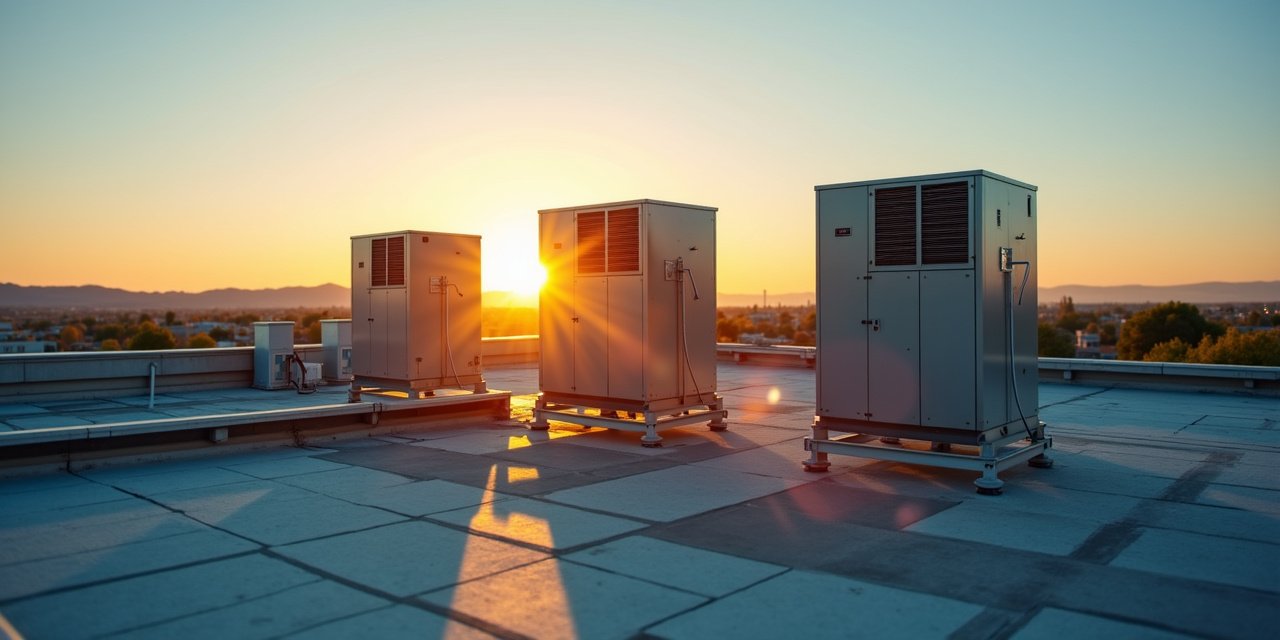
RBF pre-season advances give HVAC contractors the capital to stock units, hire technicians, and service vehicles before summer peaks — repaid from the peak revenue they enable.
The HVAC Seasonal Revenue Mechanics
Magic Valley HVAC businesses operate in one of the most concentrated seasonal demand cycles in the service industry. Temperatures above 95°F drive emergency service calls, equipment replacements, and new installations.
That demand concentrates in June, July, and August. Preparation must happen in March and April — three months before the revenue arrives. Operators planning ahead should look at seasonal working capital solutions designed for HVAC companies to understand what capital levels are appropriate at each stage of the cycle.
That gap is the RBF use case. The same pre-season timing math applies outside HVAC — see the cross-industry framework for funding before peak season. Contractors who haven't ruled out a bank line yet should see how a bank line of credit, an SBA CAPLine, and RBF actually compare for pre-season stocking before choosing an instrument.
Operators who wait until May to prepare are already behind. Wholesale unit allocations are spoken for.
Crew capacity is usually the real scalability bottleneck here, not unit inventory. An idle truck with no technician assigned costs more than a slow parts order.
Technicians have committed to other shops. The season is already determined.
How HVAC Operators Allocate Pre-Season RBF Capital
Experienced Magic Valley HVAC operators follow a disciplined allocation model for pre-season draws.
| Allocation | Typical Share | Deploy Window |
|---|---|---|
| Equipment and Unit Stock | 45–55% | March–April |
| Technician Hiring and Training | 20–30% | March–April |
| Refrigerant and Parts Inventory | 15–20% | April |
The RBF Repayment Cycle for HVAC Businesses
RBF repayment scales with daily revenue — making it structurally suited to seasonal businesses. The mechanics work in the operator's favor.
- March–April: Low repayment (shoulder revenue) — advance fully deployed
- May: Rising repayment as early-season calls begin
- June–August: Peak repayment — advance often fully repaid during peak months
- September: Advance retired; operator retains peak-month profit margin intact
A Twin Falls HVAC operator borrowing $85,000 in March at 12% daily repayment rate will typically retire the advance by late July — while generating $280,000–$350,000 in peak-season revenue during the same window.
The advance cost, expressed as a percentage of enabled revenue, is typically 3–8%. Most operators treat it as a cost of goods sold, not a financing expense. For operators who want flexible access without pledging assets, unsecured working capital options for HVAC businesses offer an alternative structure worth comparing.
Quick Check
See what you qualify for in under 3 minutes.
No personal guarantee required. No hard credit pull. Revenue history is what qualifies you.
Check Capital Eligibility →The National Demand Curve Behind Local Timing
HVAC is not a shrinking trade waiting for a seasonal bump. The Bureau of Labor Statistics projects 8% HVAC job growth through 2034. That's much faster than the average U.S. occupation.
BLS also projects roughly 40,100 annual openings nationwide. Demand is outpacing the technician pipeline every year.
The equipment market backing that labor demand is expanding just as fast. The global HVAC market reached $282 billion in 2025. It's projected to hit $367 billion by 2030 — a 6.8% CAGR outpacing broader construction growth.
Weather and seasonality rank among the top challenges HVAC owners report. Jobber's 2026 HVAC industry data puts that figure at 34%. Workyard's research puts the real peak window at roughly seven months a year.
Contractors nationally lean on lines of credit to bridge the other five months. That's the baseline Magic Valley operators compete against. It's a market growing faster than its own labor supply.
A working capital gap in March costs more than a slow week. It costs share in a market growing faster than its labor pool. RBF funded before the season lets operators capture that growth instead of chasing it — and, for contractors weighing whether tight staffing capacity is worth solving with financing, working capital built around technician funding gaps is worth comparing against a general pre-season draw.
Frequently Asked Questions
March and early April are optimal. Equipment wholesalers begin allocating inventory to pre-committed buyers by late April.
Contractors who secure RBF in March can purchase units at March pricing and avoid the supply crunch that begins in May.
RBF repayment is a fixed percentage of daily deposits — typically 8–15%. During peak summer months, repayment is faster because deposits are larger.
During shoulder months (October–February), repayment slows automatically. No fixed payment penalties apply.
Yes. RBF proceeds are unrestricted capital. HVAC operators commonly allocate advances across equipment purchases, technician hiring, van stocking, refrigerant inventory, and marketing deposits — all from a single advance.
External Resource
SBA.gov Equipment Financing Guide — U.S. Small Business Administration — Equipment Financing
Ready to check your options?
Rev Boost Funding connects operators with independent financing partners. Not a lender.
Affiliate partnerships present.
Check Capital Eligibility → You Finished This — Add as Preferred SourceSeasonal Capital Intelligence
Peak Capital Deployment Windows by Industry
Time your capital request to land before your revenue peak — not after.
Landscaping: Spring startup capital
HVAC: Pre-season equipment
Construction: Mobilization surge
Agriculture: Planting season capital
HVAC: Summer install rush
eCommerce: Q4 inventory pre-buy
Restaurants: Summer remodel window
Logistics: Peak freight capital
Retail: Holiday inventory capital
Agriculture: Harvest equipment loans
Industry seasonality data based on Magic Valley and national SMB revenue cycle patterns 2025–2026. Apply 6–8 weeks before your revenue peak for optimal deployment timing.
Revenue Financing Estimator
How Much Capital Can You Access?
Adjust the inputs to estimate your funding range. Illustrative only — no credit pull.
Illustrative estimate only. Not a lending commitment. Actual terms depend on lender underwriting and business profile. Results vary.
Verify Actual Eligibility →